A Proven, Gentler Way To Grow Your Email List
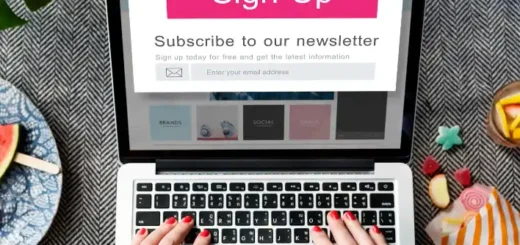
You click onto a page looking for one small answer, and before you have even found the first line, a window drops down over the screen and asks for your email address. You close it. You do not even see what it was offering. That little reflex is the reason so many people building an online income have sworn off popups altogether, convinced they only chase visitors away.
Here is what nobody tells you. The popup was never really the problem. A badly timed, badly aimed popup was the problem. It matters most if you are trying to grow your email list while juggling a job, a family and everything else life asks of you.
A popup built around the right moment and the right offer does something completely different. It gets welcomed instead of slammed shut, and it can quietly help you grow your email list every single day without you ever feeling pushy about it.
Why Every Popup Gets The Blame It Does Not Deserve
Most people who cannot stand popups are not really reacting to popups as a whole. They are reacting to a handful of bad ones, the kind that will not close, or that spawn a second one the moment you shut the first.
Picture a page about saving for a house deposit, where a popup appears before you have read a single line and offers no reason for being there. You close it without a second thought, and five minutes later you could not say what it was even offering.
Those popups earned their reputation fair and square. But treating every popup the same way punishes a fair method for the sins of its worst version. That is the same mistake a lot of people make when they decide email marketing itself has stopped working.
I hear this a lot. People telling me email is finished, that nobody opens anything anymore, and that you have to be shouting on every social platform instead. I do not agree with that, and I never have. I still send email every week, and I still get replies. I know plenty of marketers doing very well because they kept building their list rather than walking away from it. Generally it is just being used badly in a lot of places, and popups get blamed the exact same way.
The One Rule That Changes Everything
One rule decides whether a popup earns its place on somebody’s screen or gets closed before they read a single word of it: never make it hard to leave.
Every popup should close in one obvious click. No hunting for a tiny cross tucked in a corner. No forcing someone to tap escape. No second popup waiting the second they close the first.
Nick James, who has tested dozens of different popup tools over the years, puts it simply. Once the exit is easy, what is left is just an offer, and the offer is what decides everything from there.
An offer shown at the right moment is not an interruption at all.
It is a door somebody can walk through if they want to, and walk straight past if today is not the day.
I have written before about small, respectful ways to grow an audience, in other articles I have shared recently. This habit sits right alongside them.
Match What You Offer To What They Are Already Reading
Here is where most popups quietly fail, long before anyone even notices the close button. A generic popup offering “our newsletter” to every visitor, on every page, treats every reader the same, and nobody feels seen by that.
Say somebody lands on an article about clearing a credit card balance. A popup offering a short, free debt payoff checklist speaks directly to what they already have open on their screen, while a generic box asking them to “join our list” gives them no reason to stop and read it.
Tie your popup to the page a visitor is already reading, and everything changes. Somebody reading about clearing debt wants help with exactly that. Somebody reading about starting a side income wants the next honest step towards one, not a vague invitation to “join the list.”
Your visitor already told you what they care about the moment they opened that page. Your popup only has to listen.
A Smaller List That Opens What You Send Beats A Bigger One That Does Not
Here is the shift that matters most once you build this properly. A popup shown to everyone, offering the same generic thing, adds names to your list. Some of those names never open a single email you send.
A popup matched to what somebody is already reading adds fewer names some weeks. It also adds people who already know, roughly, what they just agreed to receive. That difference shows up later, in how many of your emails actually get opened, not in the size of the list on day one.
Imagine two versions of the same site. One collects three hundred names a month from a single popup shown on every page. The other collects eighty, each one matched to the article somebody was reading at the time. Six months later the second list still opens what gets sent. The first one has mostly gone quiet, taking up space in an inbox somebody forgot they ever joined.
And when you are trying to make ends meet rather than chase vanity numbers, that difference is the one that matters. You need subscribers who read what you send, not a bigger figure sitting in an account you never check.
Growing a list slowly, with the right people, beats growing it fast with the wrong ones. That is as true for somebody building this alongside a full time job as it is for anyone else.
Where This Can Take You Next
If building a list people truly want to stay on sounds like where you want to go next, Nick James has put together a complete system that picks up exactly where this popup habit leaves off, called Lazy Way To Email Riches.
It walks through the full popup framework in more depth, along with the welcome sequence and the traffic approach built around it. All of it treats your list as a relationship rather than a broadcast.
It is not something I have built myself, but it is the kind of thing worth looking at if you want to take this popup habit further than one page on your own site.
Start With One Page This Week
Pick one page on your own site. Add a popup that waits for the right moment rather than firing the second somebody arrives. Make sure it offers something that matches exactly what they are already reading. Let them leave in one click if today is not the day for them.
Small, honest changes like this quietly compound, and they steadily grow your email list without chasing anyone away. They are also, generally, the only kind that last.
To your success.
Richie Kenn
Calling All Frustrated Entrepreneurs –
Who Else Wants To Forget Selling 'Low Priced' One Off Digital Products Such As eBooks And…
Make Cash
Like Clockwork
Using A Passive Income System That Automatically Deposits Money Into Your Bank Account Effortlessly Every Month Instead.
Just enter your details below to discover how:
Privacy Policy: We value your privacy. You can unsubscribe from receiving future emails with 1 click at any time.